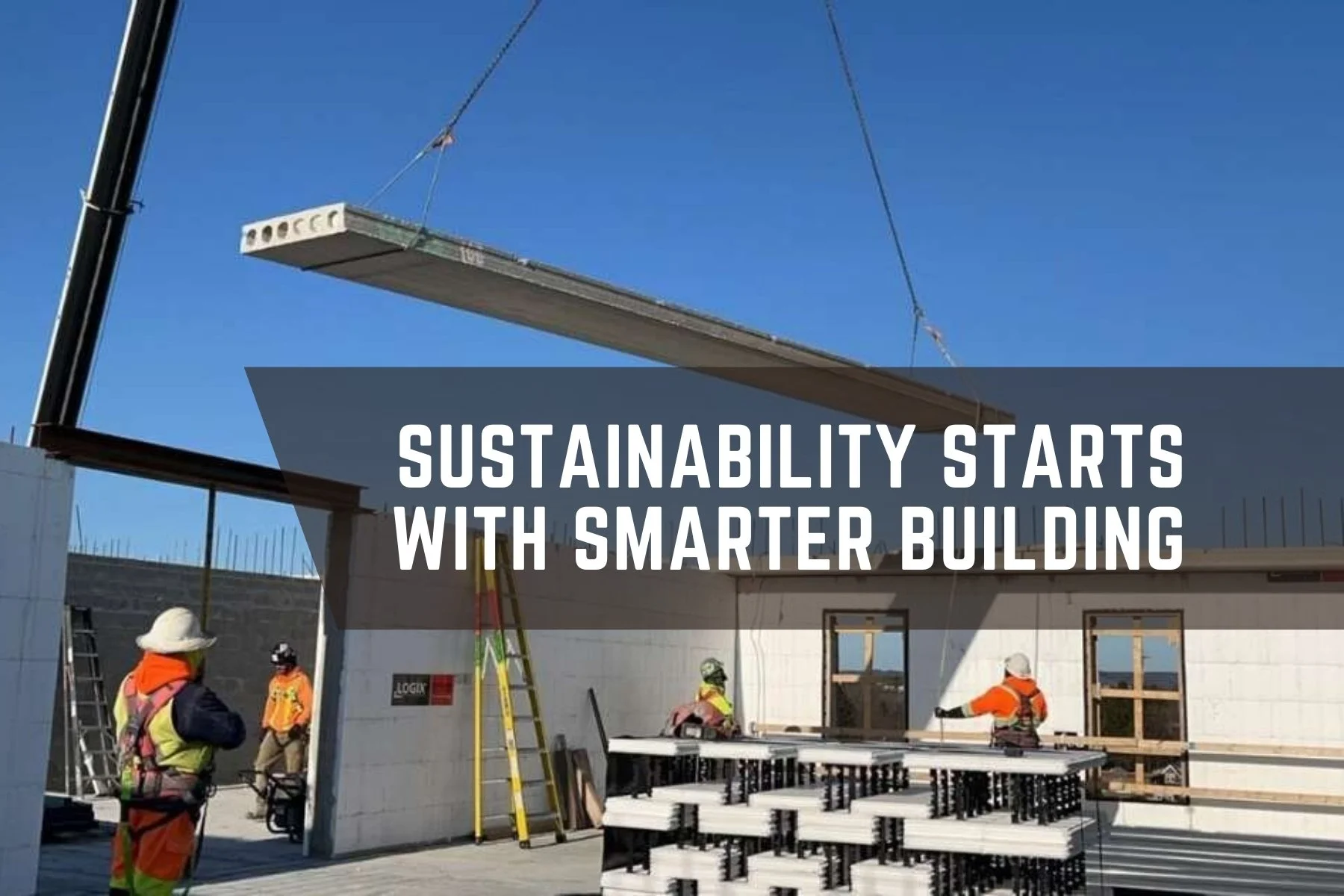
Sustainability Starts With Smarter Building
Why Precast Concrete Makes Sense for Alaska
In Alaska, sustainability isn’t a trend—it’s a necessity. Our environment is unforgiving, logistics are complex, and construction decisions have long-term consequences. Every building material brought north must justify its footprint, durability, and performance. That’s why precast concrete is such a powerful solution for Alaska’s future.
At Alaska Precast Solutions, sustainability means creating structures that last longer, perform better, and reduce waste across the entire lifecycle of a building. Precast isn’t just strong—it’s smart construction.
Built to Last in a Harsh Climate
One of the most sustainable things you can build is something that doesn’t need to be replaced. Precast concrete structures routinely last 50–100+ years with minimal maintenance. They resist moisture, freeze-thaw cycles, mold, rot, pests, and fire—common threats in Alaska’s climate.
That durability means fewer repairs, fewer rebuilds, and far less material consumption over time. Sustainability isn’t only about how something is made; it’s about how long it performs.
Reduced Material Waste
Precast concrete is manufactured in a controlled plant environment, not poured in the field. That allows:
Precise batching of materials
Reuse of formwork
Recycling of excess concrete
Minimal site waste
Traditional cast-in-place methods can generate significant material loss, weather delays, and rejected pours. Precast drastically reduces these inefficiencies, making every yard of concrete count.
Lower Carbon Through Efficiency
Concrete production has a carbon footprint, but precast significantly reduces overall project emissions by improving efficiency:
Fewer delivery trips due to optimized batching and load planning
Shorter construction schedules
Reduced on-site equipment run times
Less rework and material waste
When projects finish faster and with fewer resources, their environmental impact drops.
Additionally, modern concrete mixes can incorporate supplementary cementitious materials (SCMs) that reduce the amount of portland cement required—one of the most carbon-intensive ingredients in concrete.
Energy-Efficient Buildings
Precast structures excel in thermal performance when paired with proper insulation strategies. The thermal mass of concrete helps stabilize indoor temperatures, reducing heating demands during Alaska’s long winters.
That translates into:
Lower energy use
Lower operating costs
More comfortable buildings
Reduced long-term carbon emissions
A building that uses less energy for decades is one of the most powerful sustainability tools available.
Ideal for Remote and Rural Alaska
Transportation is often the largest environmental cost in Alaskan construction. Precast helps minimize this by:
Reducing the number of trips to site
Eliminating the need for on-site batching plants
Allowing faster installation windows
Reducing weather exposure delays
For remote villages and infrastructure projects, precast means fewer logistics challenges, lower fuel consumption, and more predictable construction outcomes.
Supporting Local Manufacturing
With Alaska Precast Solutions bringing advanced precast production to the state, sustainability becomes local:
Jobs stay in Alaska
Materials are produced closer to project sites
Dependence on long-distance shipping is reduced
Economic resilience is strengthened
Local manufacturing is a cornerstone of sustainable development.
Sustainability Is Strength
In Alaska, green building doesn’t mean fragile or experimental. It means resilient. It means proven. It means building once—and building right.
Precast concrete delivers:
Longevity
Efficiency
Energy performance
Waste reduction
Environmental responsibility
It’s not just sustainable construction. It’s sustainable Alaska.
At Alaska Precast Solutions, we believe the strongest buildings are also the smartest ones.