How Precast Is Made
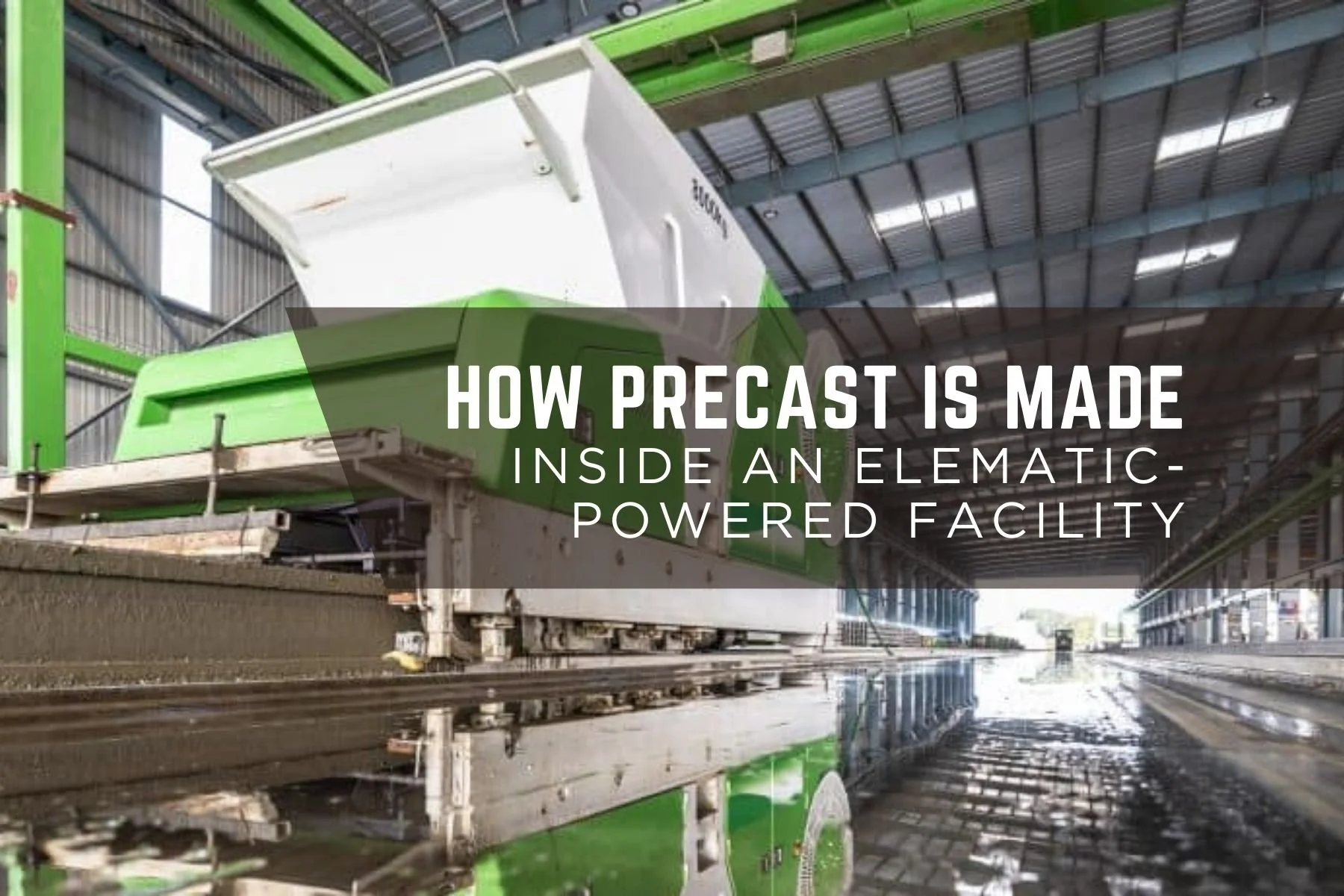
We often talk about what we’re building — prestressed precast concrete designed specifically for Alaska. But just as important is how it’s made.
Our Nikiski manufacturing facility is being built around Elematic’s world-class precast technology, allowing us to produce high-precision structural components in a controlled environment, year-round. This approach fundamentally changes how concrete construction works in Alaska — shifting labor, quality control, and schedule certainty into the plant instead of leaving them exposed to weather and site constraints.
Here’s what that process looks like from start to finish.
1. Design, Engineering & Mold Preparation
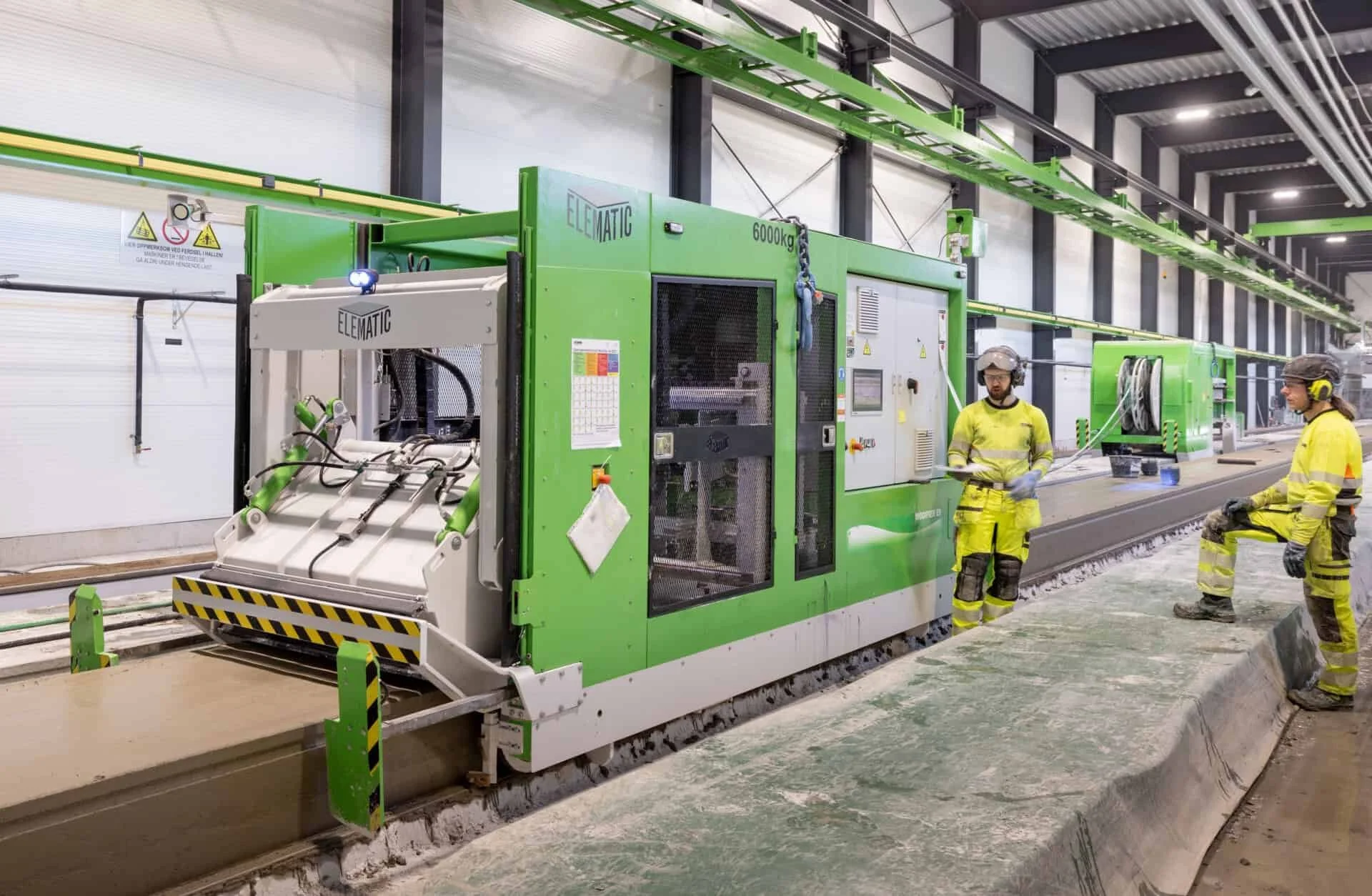
Every precast element begins with detailed engineering. Components are designed to meet structural loads, thermal performance targets, and Alaska-specific requirements like seismic resilience and freeze-thaw durability.
Reusable steel molds are cleaned, set, and precisely adjusted for each component type. This repeatable mold system is what allows precast to achieve consistent geometry, tight tolerances, and predictable performance.
2. Prestressing & Reinforcement
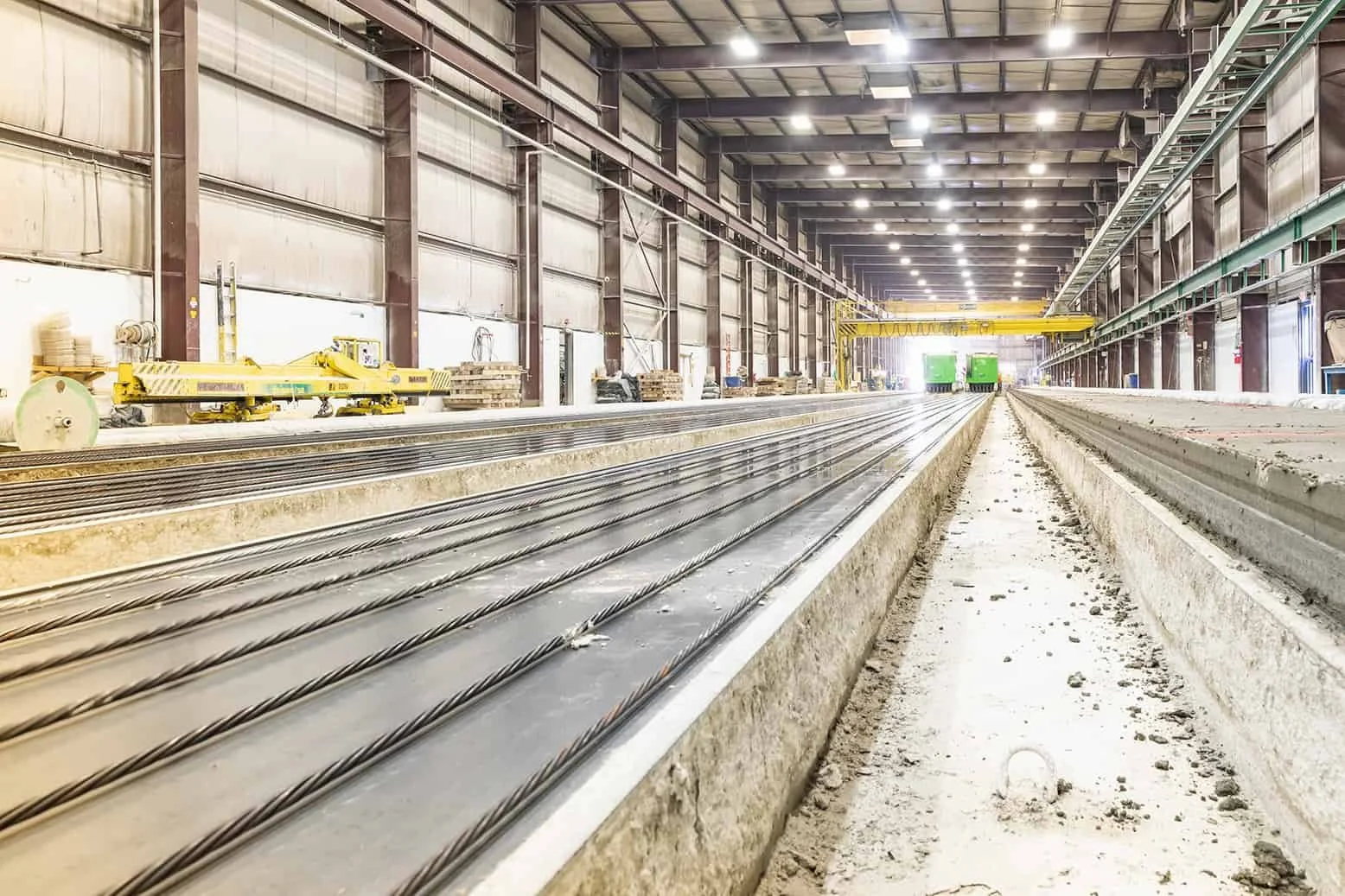
For prestressed elements, high-strength steel strands (tendons) are laid into long casting beds and tensioned before any concrete is poured. Additional reinforcement — rebar, mesh, lifting anchors, and connection hardware — is installed as needed depending on the component.
This prestressing process is what gives precast its defining advantage: the concrete is placed into compression, dramatically increasing load-carrying capacity.
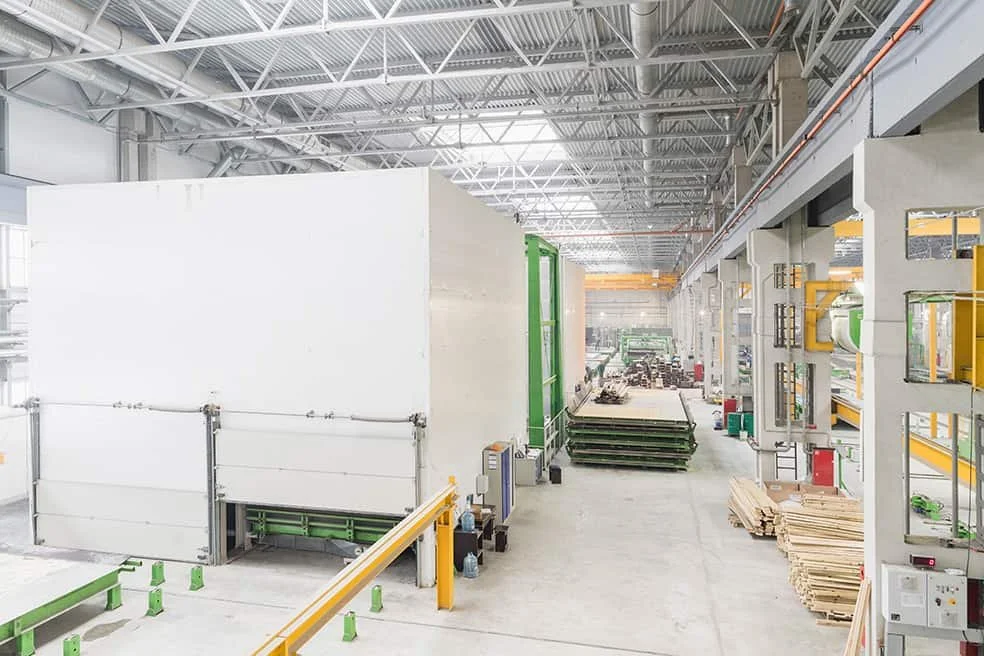
3. Casting & Controlled Curing
Concrete is mixed to precise specifications and placed into the molds using automated equipment designed for uniform distribution and consolidation.
Curing takes place in a controlled environment — protected from temperature swings, wind, precipitation, and jobsite variability. This results in stronger, more consistent concrete than typical site-poured methods, especially in Alaska’s climate.
Once the concrete reaches its target strength, prestressing strands are released, transferring compression into the concrete element.
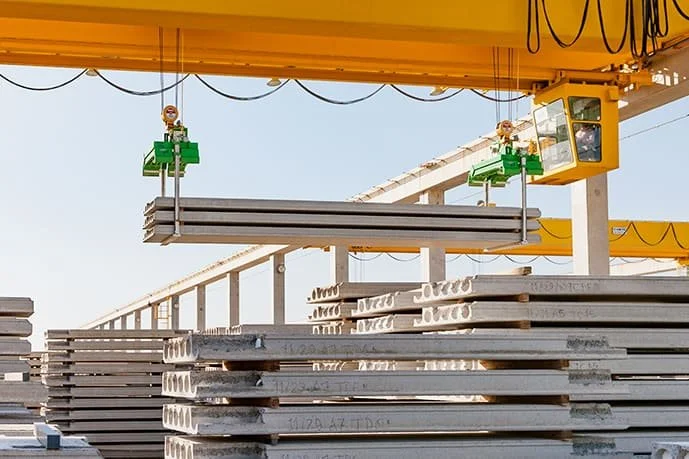
4. Finishing, Quality Control & Storage
After demolding, each piece undergoes inspection and finishing. Embedded connection points, insulation layers, and surface treatments are verified before components are staged for delivery.
Because everything is manufactured indoors, quality control is continuous — not weather-dependent — and production can continue through winter without interruption.
What We’ll Be Manufacturing at APS
Our Elematic-powered facility will allow us to produce a wide range of structural and building components, all manufactured locally in Alaska:
Hollowcore & Solid Planks
Used for floors, roofs, and decks, offering long spans, reduced structural weight, and fast installation.Insulated Planks & Wall Panels
Structural panels with integrated insulation for energy-efficient envelopes suited to cold climates.Beams, Columns & Piles
Core structural elements for commercial, industrial, and infrastructure projects, manufactured to exacting tolerances.Modular Housing Systems
Pre-engineered building systems that combine multiple precast components into efficient, repeatable housing solutions — particularly valuable for rural, remote, and workforce housing across Alaska.
Why This Matters for Alaska
By shifting construction into a controlled manufacturing environment, precast reduces weather risk, compresses schedules, and improves durability — all while addressing labor shortages and logistics challenges unique to our state.
Instead of adapting buildings to Alaska after the fact, we’re manufacturing systems designed for Alaska from the start.
That’s the promise of precast — and it’s why we’re investing in bringing this capability home.
<< BACK TO BLOG